

The construction of the grand Ayodhya Ram Mandir marks a historic and spiritual milestone for India. But, more significantly, beyond the magnificent temple structure lies the heart of devotion — the idols (murtis) of Lord Ram, Mata Sita, and Lakshman ji. The making of these idols is not just an act of sculpture, but rather, fundamentally, a sacred journey that combines artistry, tradition, and deep faith.
1. Selection of the Sacred Stone
The process began with finding the perfect stone — one that could represent the divine presence of Lord Ram . To start, Initially,
“Researchers and testers chose a single block of Krishna Shila (black marble) from Karnataka after months of research and testing.”
This stone was selected primarily, of course, for its:
- First and foremost, Strength and durability
- Secondly, Natural shine and smooth texture
- Lastly, Auspicious color representing purity and power
Moreover, consequently, Shastrik guidelines and traditional Vastu principles guided the selection itself, which was which we recognize as a spiritual process.
2. The Master Sculptors Behind the Divine Forms
Subsequently, following this step, The temple authorities (or the selection committee) gave the responsibility of sculpting the main idol of Ram Lalla (child form of Lord Ram) to renowned sculptor Arun Yogiraj from Mysuru.”
He is known for blending traditional Shilpa Shastra techniques with modern pre In parallel, at the same time Two other sculptors — Ganesh Bhatt and Yogiraj Ganesh Bhat — also crafted alternative idols, Finally, ultimately, from which eventually, The selection committee chose the final idol after a sacred selection ceremony.”
3. Designing the Idol: The Divine Vision Ayodhya Ram Mandir
The sculptors (or design team) did not leave the design of the idol to imagination alone. Instead, therefore,
It followed detailed descriptions from the Agama Shastras and Ramayana, thereby, ensuring that every gesture, expression, and ornament reflected divine symbolism.
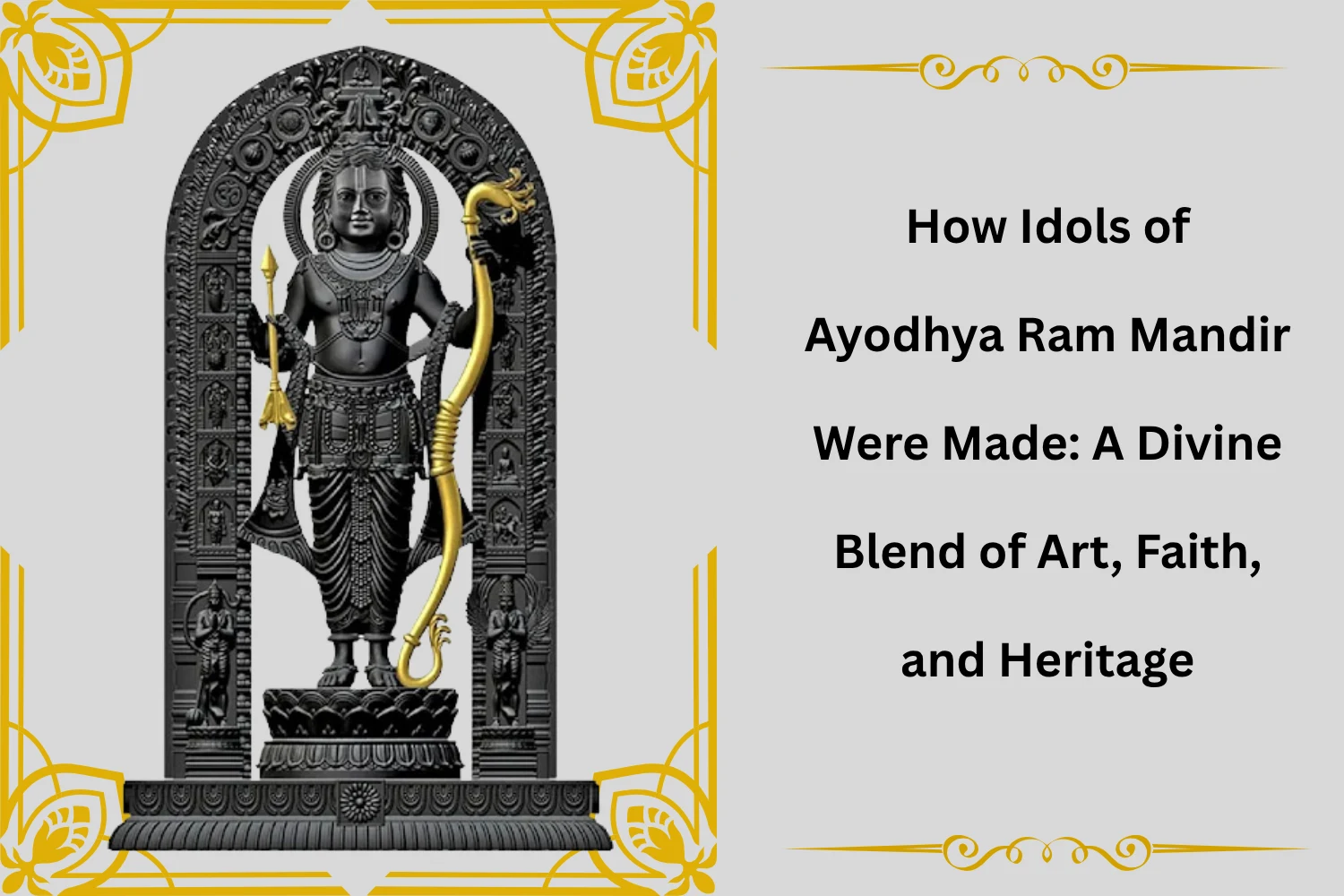
The idol depicts Lord Ram as a five-year-old child, standing gracefully on a lotus pedestal.
His expression is full of innocence and divinity, radiating peace and power. Furthermore, in addition, The sculptors (or the temple architects/designers) took the measurements of the idol precisely according to Ayodhya Ram Mandir’s sanctum size and Vastu alignments
4. The Carving Process
The idol took several months of painstaking hand-carving To maintain purity, hence,
The sculptors shaped every curve, feature, and detail with traditional chisels, hammers, and polishing stones, rather than machines, in order to preserve the purity of manual craftsmanship.
Stages of creation:
- First, Rough shaping – Removing excess stone and defining the base form
- Then, Detailing – Carving facial expressions, ornaments, and folds of garments
- Finally, Polishing – Achieving a natural sheen that enhances the spiritual glow
Throughout the entire creation, concurrently, Devotees (or priests/carvers) recited mantras and Vedic chants throughout the process to keep the environment sanctified.
5. The Pran Pratishtha Ceremony
Once the idol was completed, afterward, it underwent the Pran Pratishtha (consecration ceremony) — a sacred ritual to infuse divine energy into the murti.
Revered priests led the ceremony, held in January 2024, and millions across the nation attended it. Ultimately, consequently,
Priests invoked Lord Ram’s divine presence into the idol, and this moment marked the culmination of centuries of devotion and faith.
6. A Symbol of Devotion and Craftsmanship
In conclusion, as a result, The idol of Ram Lalla now stands as the spiritual core of the Ayodhya Ram Mandir — a symbol of India’s timeless artistry, unity, and devotion.
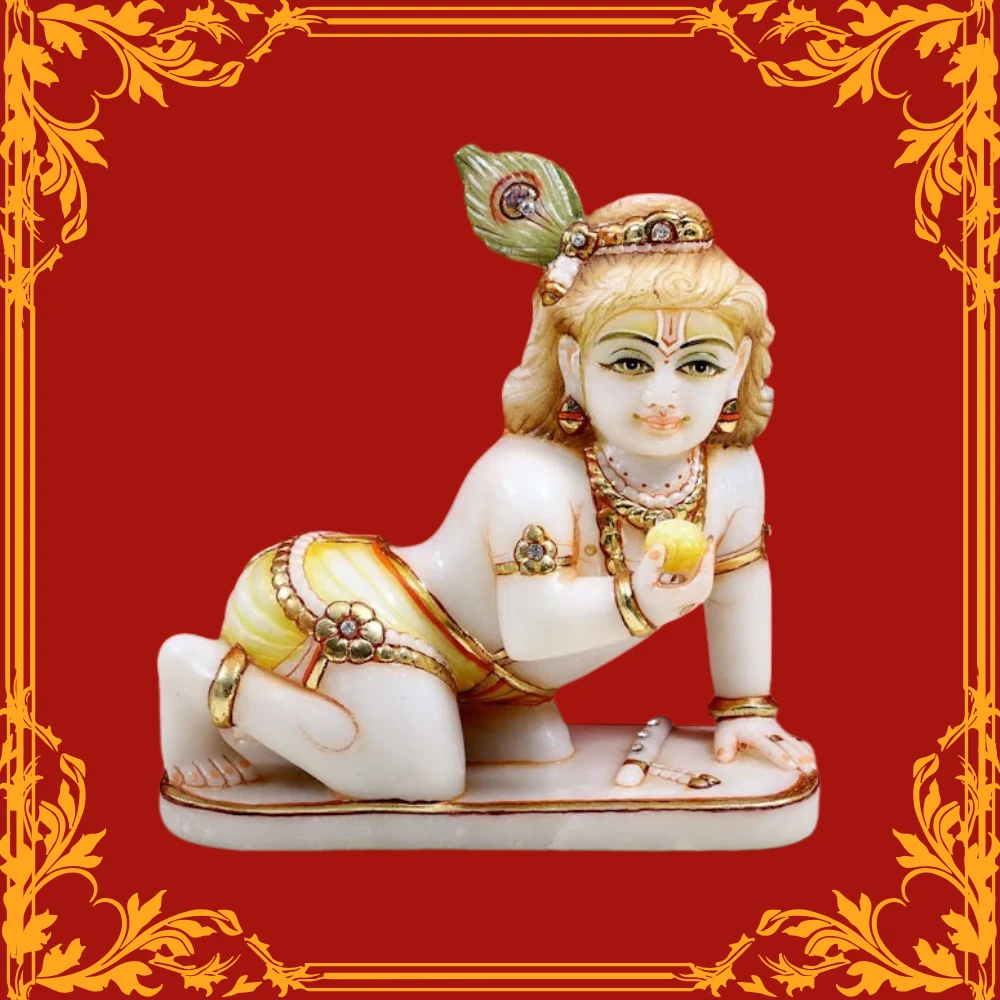
It is not just a sculpture, but a living embodiment of belief, carved with love, tradition, and divine purpose.
FAQs ( Frequently Asked Questions) of Ayodhya Ram Mandir
Q1. What stone was used to make the Ram Mandir idol?
Sculptors carved the idol from Krishna Shila (black marble) sourced from Karnataka
Q2. Who made the idol of Lord Ram?
The main idol was sculpted by Arun Yogiraj, a master craftsman from Mysuru.
Q3. How long did it take to make the idol?
The entire carving and finishing process took several months of detailed work and rituals.
Q4. Why was the child form of Ram chosen?
The child form, known as Ram Lalla, represents purity, innocence, and divine charm — the form worshipped in Ayodhya for centuries.
Conclusion of Ayodhya Ram Mandir
The making of the idols of the Ayodhya Ram Mandir is not just a story of craftsmanship — it’s a spiritual journey of faith, devotion, and heritage.
From the sacred stone to the final consecration, every step reflects India’s unbroken connection between art and divinity.
The idol of Ram Lalla will forever remind the world that when art meets faith, divinity takes form. product